
Practical Methods to Ease Stress Naturally
Stress is a common part of life, but managing it effectively is crucial for maintaining both mental and physical health. Natural stress relief methods can help you regain balance without relying on medication or invasive treatments. This article explores practical, easy-to-implement strategies that promote calmness and well-being.
Understanding Stress and Its Impact on Health
Stress triggers a cascade of physical and emotional responses. When you face a challenge, your body releases hormones like cortisol and adrenaline. These prepare you to react quickly but can cause harm if elevated for long periods. Chronic stress may lead to headaches, fatigue, anxiety, and even heart problems.
Recognizing stress symptoms early is key. Common signs include irritability, trouble sleeping, muscle tension, and difficulty concentrating. By identifying these signals, you can take proactive steps to reduce stress naturally.
Effective Stress Relief Techniques You Can Try Today
Here are some practical methods to ease stress naturally:
1. Deep Breathing Exercises
Deep breathing helps calm the nervous system. Try this simple technique:
Sit or lie down comfortably.
Inhale slowly through your nose for a count of four.
Hold your breath for a count of seven.
Exhale completely through your mouth for a count of eight.
Repeat 4-5 times.
This exercise lowers heart rate and promotes relaxation within minutes.
2. Physical Activity
Exercise releases endorphins, the body’s natural mood boosters. You don’t need intense workouts; even a 20-minute walk in nature can reduce stress hormones. Yoga and tai chi combine movement with breath control, enhancing both physical and mental relaxation.
3. Mindful Meditation
Practicing mindfulness helps you stay present and reduces anxiety about past or future events. You can explore mindfulness practices for stress relief through guided meditation sessions available online. These sessions teach you how to focus your attention and calm your mind effectively.

4. Aromatherapy
Certain scents like lavender, chamomile, and sandalwood have calming effects. Using essential oils in a diffuser or applying diluted oils to your wrists can create a soothing environment. Aromatherapy complements other stress relief methods well.
5. Journaling
Writing down your thoughts and feelings can help you process emotions and identify stress triggers. Set aside 10 minutes daily to jot down what’s on your mind. This practice encourages self-reflection and emotional release.
Creating a Stress-Relief Routine That Works
Consistency is important when managing stress naturally. Here’s how to build a routine:
Set a specific time each day for relaxation activities like meditation or journaling.
Combine methods such as light exercise followed by deep breathing.
Limit screen time especially before bed to improve sleep quality.
Create a calming space at home with soft lighting, comfortable seating, and pleasant scents.
By integrating these habits into your daily life, you build resilience against stress.

Nutrition and Sleep: Foundations for Stress Relief
What you eat and how well you sleep significantly affect your stress levels.
Nutrition Tips
Eat balanced meals rich in fruits, vegetables, whole grains, and lean proteins.
Avoid excessive caffeine and sugar, which can increase anxiety.
Stay hydrated throughout the day.
Sleep Hygiene
Maintain a regular sleep schedule.
Create a dark, quiet, and cool bedroom environment.
Avoid screens and stimulating activities at least an hour before bedtime.
Good nutrition and restful sleep enhance your body’s ability to cope with stress naturally.
Embracing Nature and Social Connections for Stress Relief
Spending time outdoors and connecting with others are powerful stress reducers.
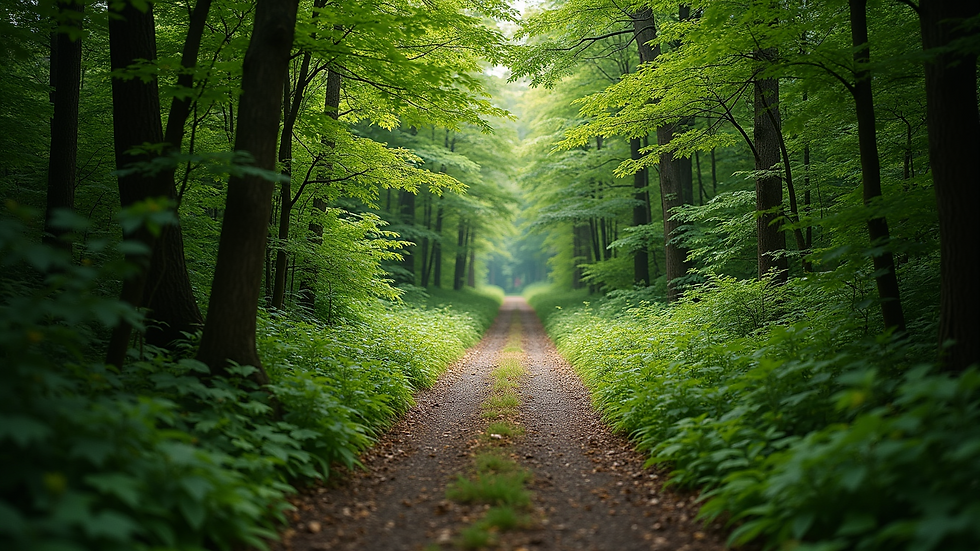
Nature walks or gardening can lower cortisol levels and improve mood.
Social support from friends, family, or support groups provides emotional comfort.
Even brief interactions, like chatting with a neighbor or joining a community class, can boost your sense of belonging.
Taking the First Step Toward a Calmer Life
Stress relief is a journey that requires patience and practice. Start small by incorporating one or two natural methods into your daily routine. Over time, these habits will help you manage stress more effectively and improve your overall quality of life.
Remember, natural stress relief techniques are safe, accessible, and empowering. Explore different options to find what works best for you and enjoy the benefits of a calmer, healthier mind and body.


Comments